
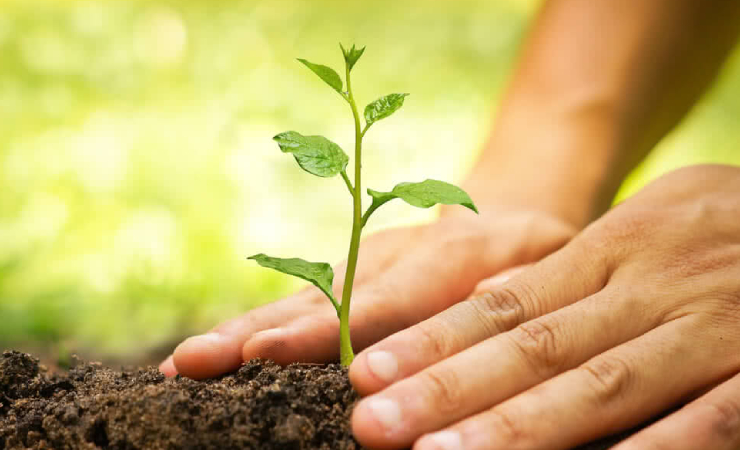
Tree Planting
Trees are essential to the health of our planet. They provide oxygen, clean water, and habitat for wildlife. However, deforestation, climate change, and human activity have led to a significant reduction in the number of trees worldwide. That's why tree planting initiatives are more important than ever, and why we should all consider getting involved.
- Why Tree Planting Matter?
- How to Get Involved in Tree Planting?
- Tips for Successful Tree Planting
Tree planting is an essential tool in the fight against climate change. Trees absorb carbon dioxide from the atmosphere, which helps to reduce greenhouse gas emissions. Trees also help to reduce air pollution by absorbing pollutants such as nitrogen oxides and sulphur dioxide. trees provide numerous economic and social benefits. They can reduce energy costs by providing shade, increase property values, and create jobs in industries such as timber and tourism. Trees also provide a sense of community and connection to nature, which is important for our mental and physical well-being.
Volunteer with local organizations: Many local organizations, such as parks and recreation departments or conservation groups, host tree planting events throughout the year. Research opportunities in your area and sign up to volunteer.
Donate to tree planting organizations: There are many national and international organizations devoted to reforestation efforts. Consider donating to one of these organizations to support their work.
Plant trees on your own property: If you have space on your property, consider planting a tree or two. You can purchase seedlings from nurseries or order online. Make sure to select trees that are appropriate for your climate and soil type.
Spread awareness: Talk to your friends and family about the importance of trees and tree planting. Share resources and information on social media to help spread awareness.
Choose the right species: Research which species of trees are appropriate for your area and soil type. Consider factors such as climate, space, and sunlight.
Plant at the right time: In general, it's best to plant trees in the spring or fall when temperatures are cooler and rainfall is more consistent.
Prepare the site: Clear the planting site of rocks and debris, and loosen the soil to allow for proper root growth.
Water and maintain: Newly planted trees require frequent watering and maintenance to ensure healthy growth. Follow recommended watering guidelines and monitor for pests and disease.